

In recent years, the intersection between financial technology (fintech) and iGaming has transformed how users interact with digital entertainment. Beyond the thrill of gameplay, the ability to deposit and withdraw funds securely and instantly has become a cornerstone of the user experience. As fintech solutions evolve, online casino payments are adapting in parallel—becoming faster, safer, and more transparent than ever before.
While players may not always consider the technology behind their seamless transactions, these systems represent a sophisticated blend of innovation, regulation, and customer-centric design. The result is a financial ecosystem that reflects broader trends in digital payments while catering to the unique demands of online gaming.
Fintech and the Evolution of Online Casino Payments
The global fintech revolution has reshaped nearly every aspect of digital finance—from how people transfer money to how businesses verify identities. In the world of iGaming, this evolution is even more pronounced. Online casinos operate within a fast-paced environment where speed, compliance, and user trust are paramount.
Fintech companies have introduced real-time payment infrastructures, AI-powered fraud detection, and cross-border processing capabilities that have redefined industry standards. Players today expect deposits to clear within seconds and withdrawals to reach their accounts just as quickly. This expectation is made possible through fintech-driven payment innovation.
One notable example is the growing popularity of paysafecard casinos, which allow users to make secure, prepaid transactions without sharing sensitive financial information. Such methods bridge the gap between convenience and privacy, offering an added layer of protection that aligns perfectly with the ethos of modern fintech solutions.
For the iGaming industry, technologies like tokenized payments, digital wallets, and instant banking APIs have transformed operational efficiency and customer satisfaction alike.
The Role of Regulation and Trust
A key reason for the success of fintech in online gaming is the alignment between innovation and compliance. Financial regulations governing digital transactions—such as anti-money laundering (AML) and know-your-customer (KYC) protocols—play a critical role in building trust.
Modern iGaming platforms integrate fintech tools that automate verification processes and risk assessments. This not only ensures transparency but also reduces operational friction. Instead of long verification times, players can now enjoy near-instant account approvals powered by advanced data analytics.
In Europe and North America, regulators have embraced technology-driven compliance systems that balance security with accessibility. These frameworks have enabled operators to implement cutting-edge payment systems while maintaining the highest standards of accountability.
Trust, therefore, becomes not just a byproduct but a measurable feature of the fintech–iGaming partnership.
Digital Wallets and the Mobile-First Revolution
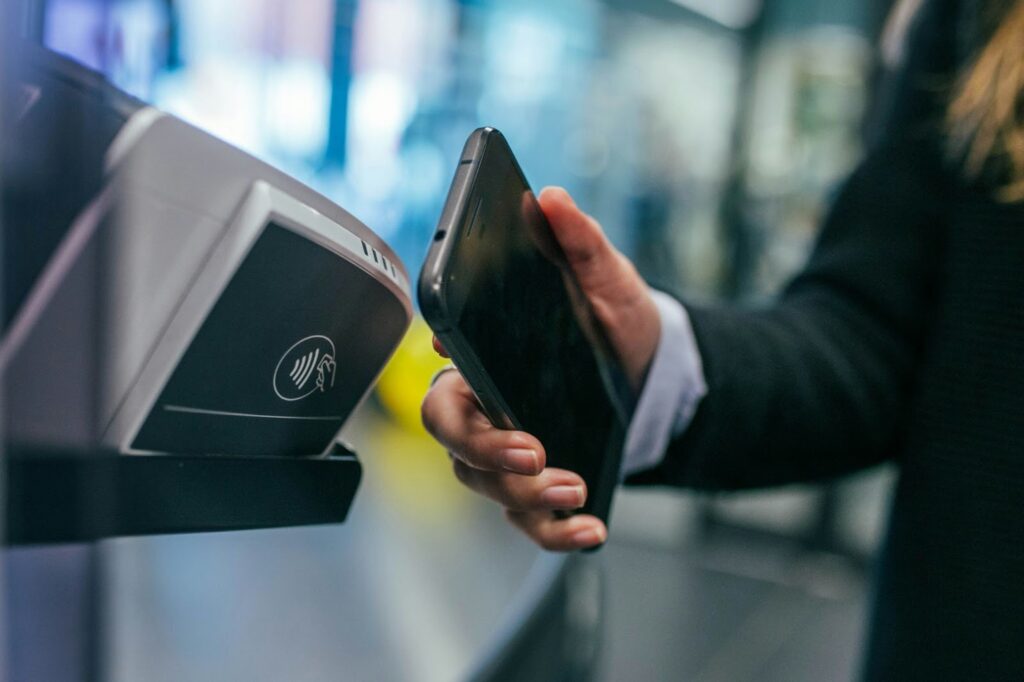
As mobile usage continues to dominate the online entertainment landscape, digital wallets have become an integral part of modern payments. Players use services like Apple Pay, Google Pay, and other fintech-backed apps to complete transactions without ever entering card details.
This mobile-first approach mirrors the way users interact with other digital services. In iGaming, it allows for smoother, on-the-go payments and unified experiences across devices. The seamless integration of fintech APIs means that casino apps can handle deposits, bonuses, and withdrawals directly within the gaming interface—no redirections, no delays.
Mobile payments have also made financial inclusion possible in markets that were once underserved by traditional banking systems. In this sense, fintech doesn’t just support gaming—it democratizes access to it.
Blockchain and Transparent Transactions
Another major fintech innovation influencing online casino payments is blockchain technology. The appeal lies in its immutability and transparency—every transaction is recorded on a decentralized ledger that cannot be altered retroactively.
For iGaming operators, blockchain offers a way to verify payment authenticity, reduce fraud risk, and streamline auditing processes. Smart contracts can even automate payouts based on predefined conditions, removing manual intervention and potential human error.
Meanwhile, for players, blockchain-based payments represent a new level of confidence. They can verify the legitimacy of transactions independently, ensuring fairness and accountability across the board.
The introduction of blockchain also paves the way for future integration with digital identities and decentralized finance (DeFi) applications, potentially redefining how online casinos manage funds.
Instant Payments and User Experience
Speed is arguably the most visible impact of fintech on iGaming. Instant payments have become an expectation rather than a luxury. Whether it’s cashing out winnings or making deposits, delays are increasingly unacceptable in the competitive online casino space.
Fintech infrastructure, particularly through open banking APIs and real-time transaction monitoring, enables seamless movement of funds. Players benefit from instant gratification, while operators enjoy improved liquidity and customer retention.
This shift toward immediacy also transforms loyalty programs and reward systems. Real-time cashback, instant bonus credits, and live account updates are now standard features supported by fintech solutions.
AI, Security, and Data Intelligence
Artificial intelligence (AI) has emerged as a core component of fintech’s integration into gaming. AI-powered analytics monitor transaction behavior to detect unusual patterns, preventing fraud before it occurs.
In payments, machine learning models can assess transaction risk within milliseconds, allowing platforms to approve or flag operations with minimal delay. This ensures both speed and safety—two pillars of the iGaming experience.
AI also personalizes financial interactions. Payment histories and behavioral data allow operators to recommend payment methods best suited to each user, simplifying their experience.
For instance, a player who frequently uses prepaid methods might be automatically offered top-up reminders or simplified checkout options—subtle yet impactful enhancements made possible by AI-powered fintech design.
The Future of Payments in iGaming
Looking ahead, the collaboration between fintech and iGaming will only deepen. The next wave of innovation will likely focus on interoperability—connecting diverse payment systems under unified frameworks.
We can expect further advancements in biometric verification, real-time analytics, and programmable payments through blockchain and AI. These technologies will not only strengthen security but also redefine what “seamless payment” means.
In Canada, Europe, and beyond, regulators are increasingly open to fintech-led solutions that improve transparency and consumer protection. This regulatory openness encourages responsible innovation, creating a foundation for sustainable growth in both sectors.
Fintech’s role in the evolution of online casino payments goes far beyond efficiency—it represents the convergence of finance, trust, and digital entertainment in a single experience.
A Partnership That Redefines Digital Payments
Fintech and iGaming together are setting new benchmarks for digital payment innovation. What began as a niche collaboration has evolved into a model for secure, fast, and user-friendly financial interactions.
The rise of instant transfers, mobile wallets, and prepaid methods illustrates how fintech continues to shape the expectations of millions of players worldwide. For the iGaming industry, these developments are not just about technology—they’re about enhancing engagement, transparency, and trust.
As new payment solutions emerge, the boundary between gaming and finance will blur even further. The result is a digital economy where entertainment and fintech coalesce—driven by innovation, governed by integrity, and sustained by user confidence.
